Naming Your Home

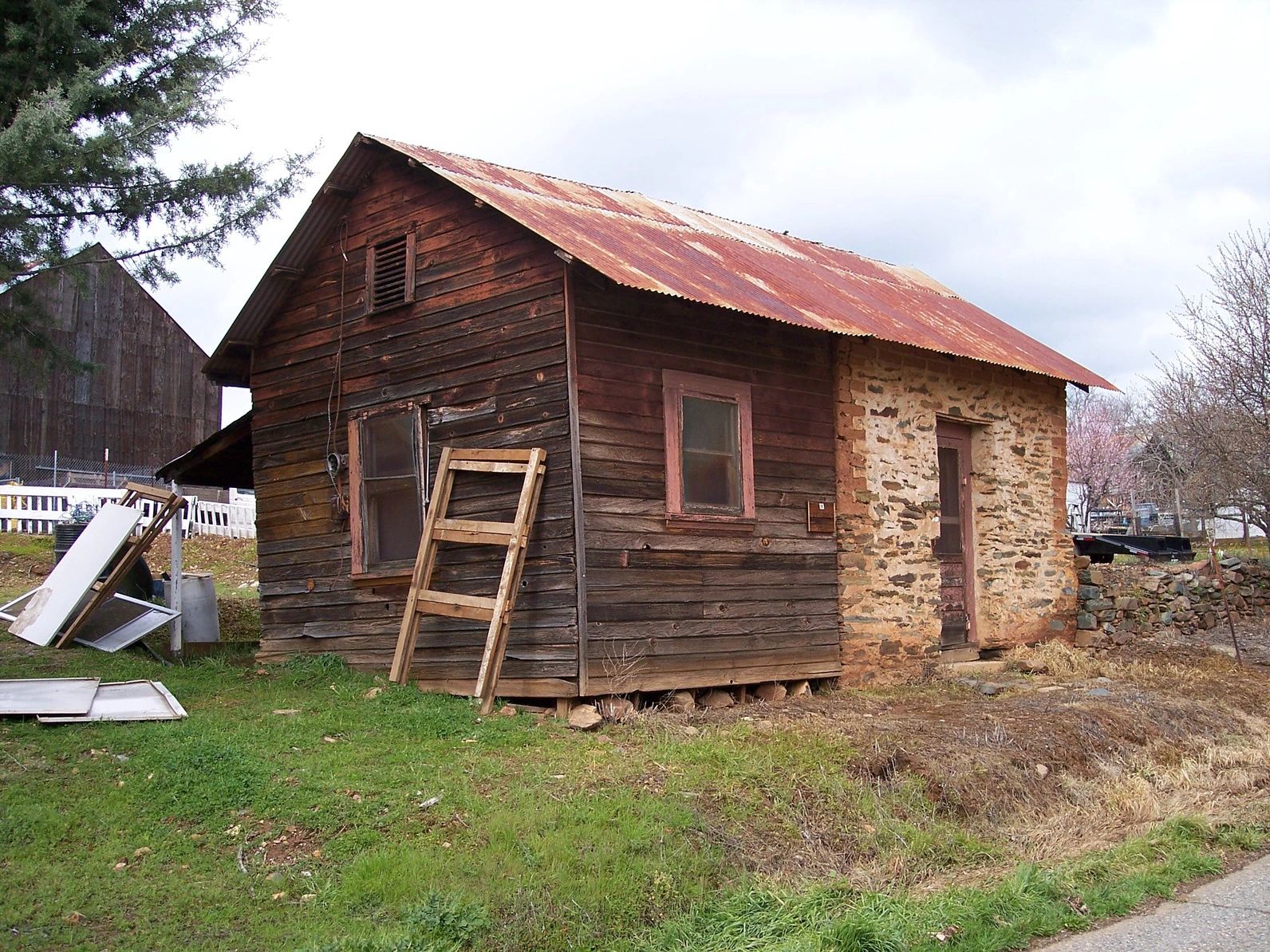
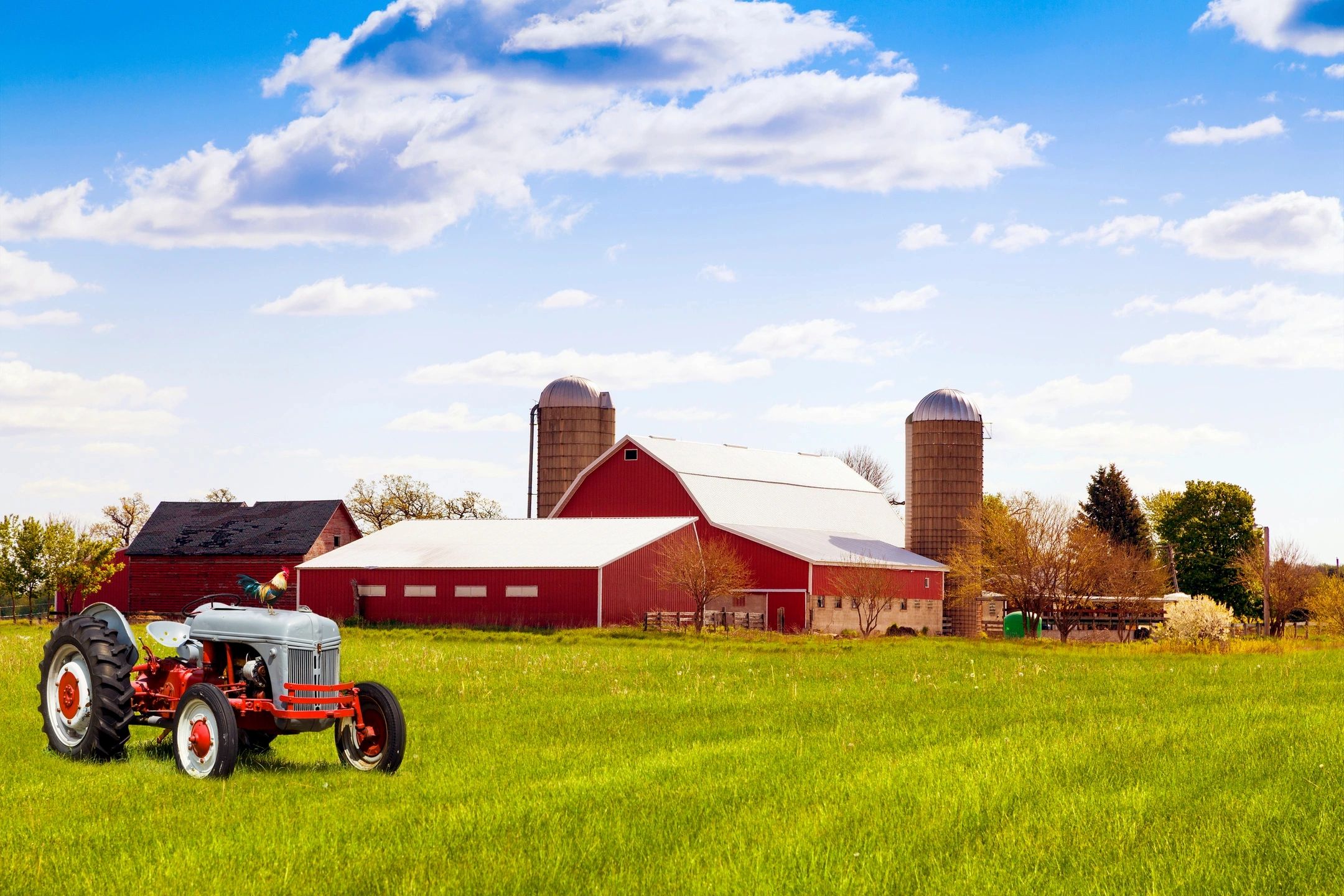
If you spend any time in the countryside, you will undoubtedly notice farms, ranches, estates, and even simple country places have names. Some are very basic, like Sunrise Farm or Oak Hill Ranch, and others gravitate more toward the owner’s names, heritage, or occupation, and some refer to historical events that occurred on/near the property. The name is generally reflective of the grandeur of the place, too.

The naming of one’s homestead historically relates to ownership and also as a way marker in locating a particular home in the community/area. These names can also serve to create enduring impressions and convey a sense of permanence.
Years ago we owned a beautiful 10-acre parcel on top of a hill. The home faced east and we enjoyed watching the sun rise over the river, and in the evenings we watched the sun set over the farm and lake behind us. From the day we bought the property we intended to give it a name–you know, something like River Rise, Hill Top Acres, or Willow Hill (which would have required us to actually plant the willow trees we never got to plant), but we never actually did it.

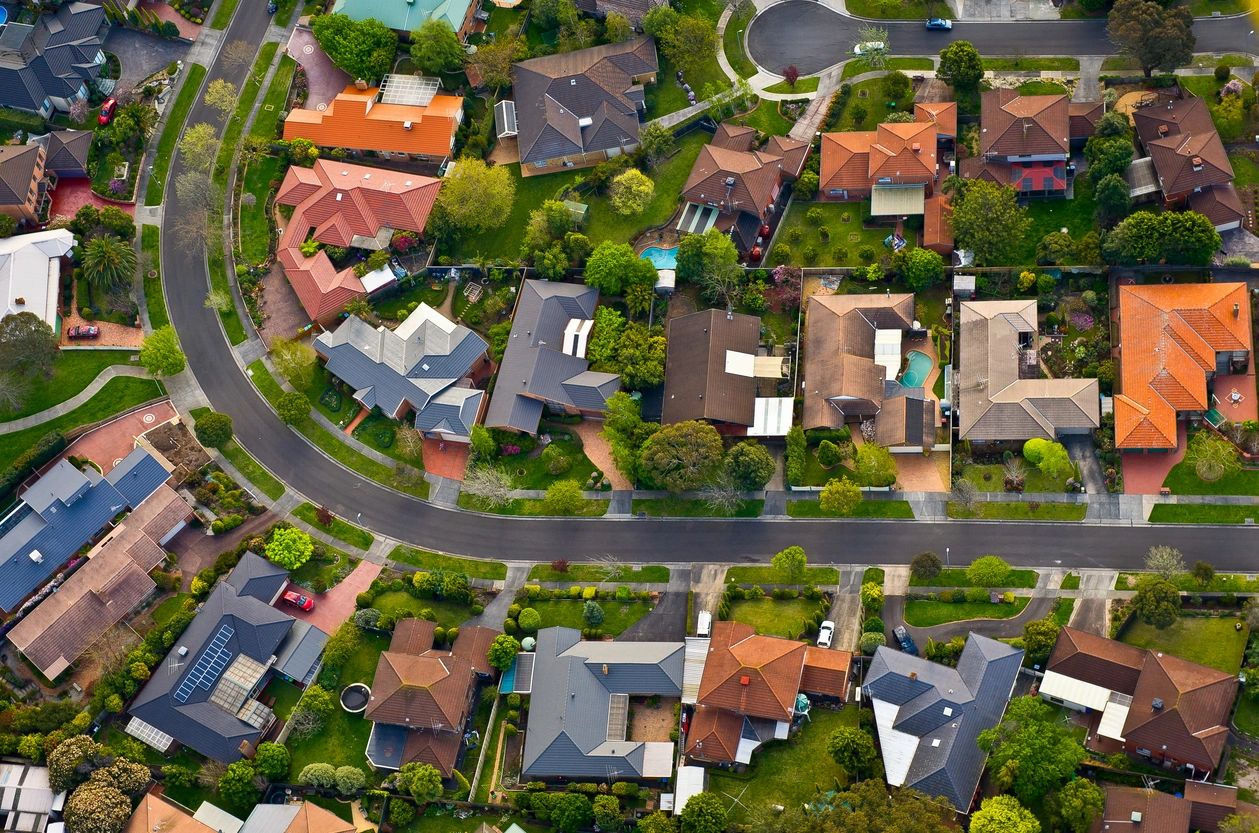
From there we moved into a subdivision on a 1/3 acre and our simple address sufficed (although I have known people to name their home in a subdivision). However, as we again prepare to move back to the country, we would like to name our property. If you’re wondering why, it is in part because of the ownership claim and in part as homage to the land and surroundings. This simple, non-assuming parcel of land holds so many wonders and joys and we want to acknowledge them.

We’ve narrowed our choices, but have not yet settled upon the one. I thought it would be fun to share how we came up with some of our ideas.

We first–and mostly I mean I–wrote down all sorts of features about and/or visible from our land, as well as the activities/crops/animals we may enjoy while living there: pond, river, oaks, trees, eagles, frogs, ski hill, forest preserve, rural setting, turkeys, woodlands lighting bugs, rabbits, garden, bees, donkeys, chickens, white tail deer, sandhill cranes, finches, robins….you get the idea.

Next, I wrote down names for a house and land: house, home, casa, estate, cottage, manor, abode, roost, acres, and homestead are a few.

The final list contains all kinds of adjectives: crooked, little, giant, quiet, peaceful, tranquil, breezy, sunny, rustic, and on and on.

I then began putting words from all the categories together. I quickly realized a lot of the options–Breezy Acres, Tranquil Waters, and Forest Acres–sound like cemeteries or funeral homes. While this is hopefully our last home, we aren’t ready to say it’s our final resting place! Some others–River Estate, White Tail Manor, and Eagle Woodlands, all sound too pompous. Some roll off the tongue, some are too cumbersome; some create an immediate visual, while some leave you wondering what? I tend to like alliterative names, therefore I’m leaning heavily toward one on our short list. I’ll update you once we’ve made a decision!

As you see, it’s a quick, simple, and fun process coming up with just the right name for a home. (And a lot less stressful than naming a child for life!)

Adios, from Crane Cottage…or maybe Crooked Oaks…or?

Beekeeping vs. Keeping Bees

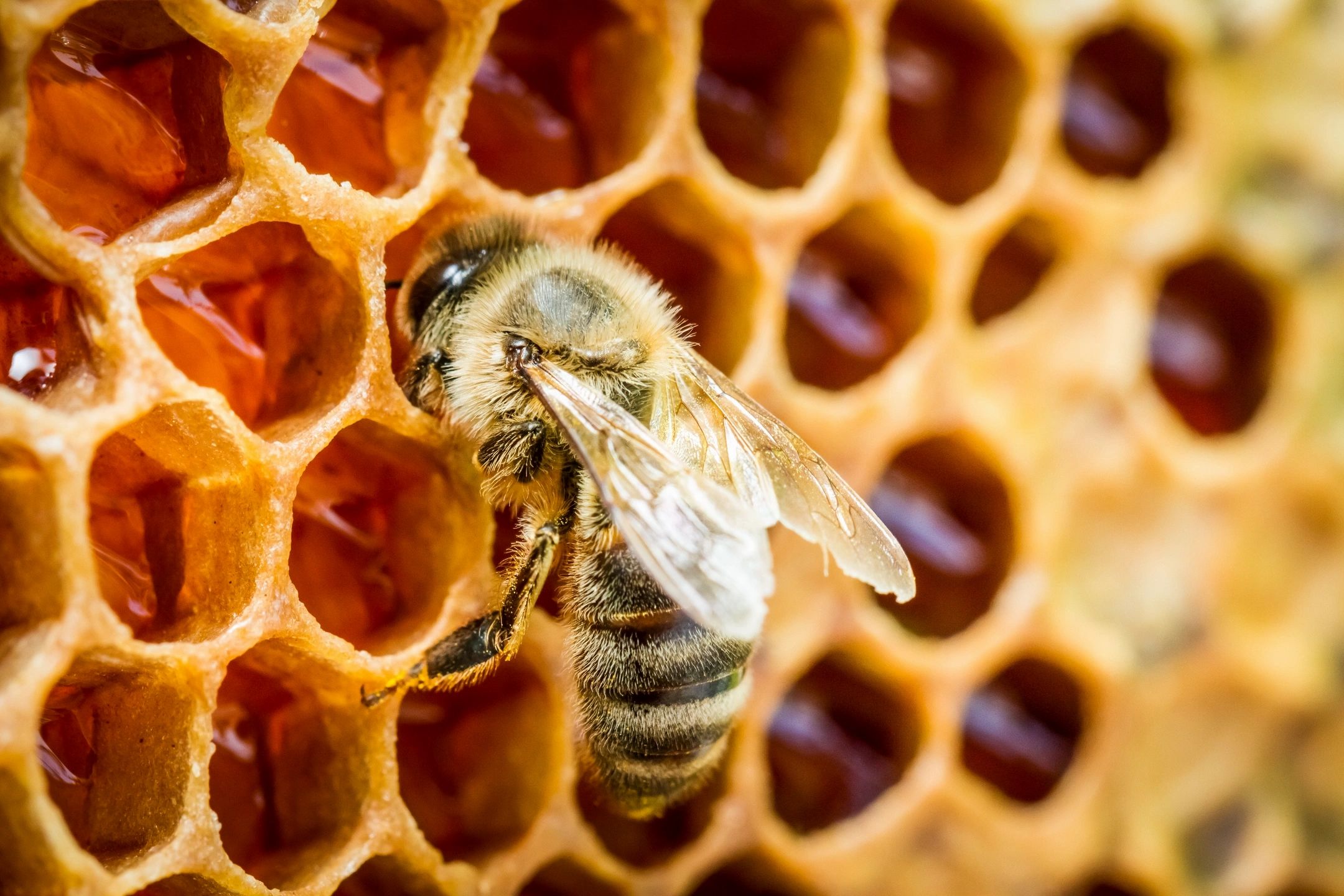
The further I delve into beekeeping, the more I realize there are two distinct mindsets: one is of a beekeeper, the other is of someone “with bees” or keeping bees. We want to at least attempt to become the former, rather than the latter, but both have their pros and cons, and in the end it’s a win-win since more bees are being monitored and the health of bees is on the rise.

Today I’d like to share some thoughts, insights and questions from a beekeeper, Pam. While I tend to agree with Pam, her’s is not the one, the only, the right perspective…it’s simply how she approaches beekeeping. And, while I’ve not immersed myself into the beekeeping community as much as I hope to, I have found that many beekeepers love to share information, all in the spirit of helping the bees, so perhaps there is a nugget or two here that might be valuable to the beeks who land here (yes, that’s intentional, sorry), or to those, like us, considering how to best approach beekeeping.

Without further ado, Pam’s recent FB post (with permission, of course):

I attended my first Farmer’s Market this week. I talked to the guy selling honey. He had his prices very low so I had a few questions for him…and I found out some interesting facts that I think we should all take to heart.

1. Is this THIS year’s honey? He said that he didn’t know. He BOUGHT gallons of honey from a commercial beekeeper, bottled it and sold it at the farmer’s market. After leaving the honey stand, I shrugged my shoulders and said, “Hummm, where’s the fun in THAT? He’s not a beekeeper.”
2. What pesticides are being used to control mites in these hives? A local beekeeper works each hive weekly providing only what THAT hive needs and uses safe remedies for infestations.
3. How old is this honey? Honey does not expire but the floral each year can change due to growing conditions. A local beekeeper keeps a fresh flow of honey each season and usually sells it all.
4. What is the seller’s purpose in selling honey? If it is all about “making” $. How much can one really care about bees and honey if they have no skin in the game? A local beekeeper makes $ for the bees. They live the highs and lows of struggling hives. We love our bees!
5. Beekeepers each have their own reasons for keeping bees. Some are “the save the earth ones”, Others are “the honey health ones” and Finally there’s the “I just love learning ones”. Heaven knows that even though their passion for this bee labor varies, the outcome benefits us all. Please Support your local beekeeper. Do it for the earth, your health and for the education. It’s a’ gonna’ 🐝 a great honey season…
.

While Pam encountered a person who doesn’t even bother with the guise of “keeping bees”, his comments reflect the mindset of making money from bees instead of making money for the bees. There is no true interest in the bees, the quality of product, the health of the hives, the joy of sweat equity and quite frankly, the sense of pride in the care of the bees and the sweet taste of a successful harvest.

We love supporting our local honey guy and always enjoy conversations with him because we can tell he cares about not only his bees, but also the quality of his honey and what his customers think. He always sells fresh season honey and his comments on the flavor strikes me like a sommelier describing a wine! When he has a bad year and loses hives and his price goes up, we understand and still buy from him rather than someone with lesser price, for exactly the reasons indicated in Pam’s story.

So there you have it, a perspective on one beekeeping mindset. To be fair, I’ll give equal time to the other perspective in a future post.

Tina

Today’s Home Buyers Have Been HGTV’d

I’m a huge fan of HGTV. My favorite shows are more about rehab than buying/selling, but I watch those too and those are what I’m on my soapbox about today.

I cannot count the number of times I’ve cringed when a potential home buyer starts with their I want list, because the majority of the items are so superficial and inconsequential! Oddly, it seems the younger the buyer and the tighter the budget, the longer and more inane the I want list.

As a home buyer, there are definitely pros to watching such shows–they give a general overview of the process, they often indicate the true reality of homes in a price range, and they occasionally give home buyers a new perspective on what is truly important when purchasing a house–and it’s not white cabinets and shiny appliances!

Seriously. So many times a home in a gorgeous setting, safe neighborhood, and good schools is passed by because the cabinets are too dark or the bathrooms are dated. Cosmetics, people, cosmetics! Somewhere along the line the adage of “location, location, location” has slipped down the list of importance, only to be replaced by ship-lap, hardwood floors, and open-concept living. With all this HGTVing of buyers, it’s an interesting time to be buying or selling a home.

When we purchased our current home, our agent understood location, commute and schools were our priorities. However, when we began our next home search a couple years ago, the agent wanted to show us everything with 2+ acres. It didn’t seem to matter the commute was 70 minutes each way, the house was too remote, the price was severely over budget or the home was nothing like we wanted. She so easily overlooked every item we wanted/needed, except the size of the acreage. Maybe the game has changed so much that even an agent’s role is not what it was–just make a sale and move onto the next client?

Even now, while selling our home, we got feedback from one agent stating, “I don’t like the country decor.” (And for the record, it’s not even country, it is light farmhouse/French farmhouse.)

Well I’ll be! Last I checked it was an agent’s responsibility to help a potential buyer see themselves in the home–to guide them past personal decor and belongings, instead of highlighting them as they’re permanent fixtures to be worked around. People, you’re NOT buying another person’s things, so use a little imagination in seeing it all gone. Yet, you know, it happens all the time on HGTV. I want to reach out and slap someone when I hear, “I don’t like the sofa” or “That bedspread is awful!” So what!? Why does HGTV even air such ignorant comments? In my opinion, all it accomplishes is setting up potential home buyers for failure when they think they need to focus on decor versus location, condition, price, commute, schools and the home’s layout.

At the other extreme are those who’ve never done more than tighten a bathroom faucet, yet they insist on buying a dilapidated fixer upper with the intention of DIYing and flipping it because they’ve seen it done on HGTV and there is a lot of money to be made. Yeah, about that…keep in mind the true flippers–Bargain Mansions, Flip or Flop (take a clue from the name!), Good Bones, and Home Town–have done this a long time and have subcontractors and a whole host of help behind the scenes. It’s never as easy as “we will just tear down this wall, gut the kitchen, and viola! it’ll be worth three times what we paid!”

I know realty agents/brokers all have ongoing education…I truly hope some of that education is on how to overcome the HGTVing of today’s home buyers and to focus on providing the service and direction that is necessary to help home buyers make the best decision for their home purchase. Pointing out important items, like safety of community, rating of schools, lifestyle, commute, and a home that works for them now and into the future, should not being cast aside in lieu of pointing out a shiny new light fixture, trendy countertops or other items that come and go out of style.

I’m also a fan of Bravo’s Million Dollar Listing shows and at the price point of those homes, I say you should have and get everything on your I want list.

However, the average home buyer isn’t at that level and needs a good agent to help them understand life is not an HGTV show. Focus must shift to needs and the wants can come later. No house is perfect, but that doesn’t mean it isn’t the perfect HOME.

Until next time,

Tina

I’m Finally Learning About the Birds and the Bees!

When we decided to buy land and stay in Illinois, we knew we had to find a parcel that allowed Agricultural zoning to allow an opportunity to reduce our property taxes. We also knew we couldn’t get that zoning without producing some sort of cash crop.

We kicked around several options–raising sheep and selling their wool; raising goats for goat’s milk and related products; chickens for brooding and/or their eggs; and everyone’s current favorite, tending to bees and selling the honey and ancillary products. The sheep and goats are too smelly, too time-intensive, and just more work than I’m willing to commit to.

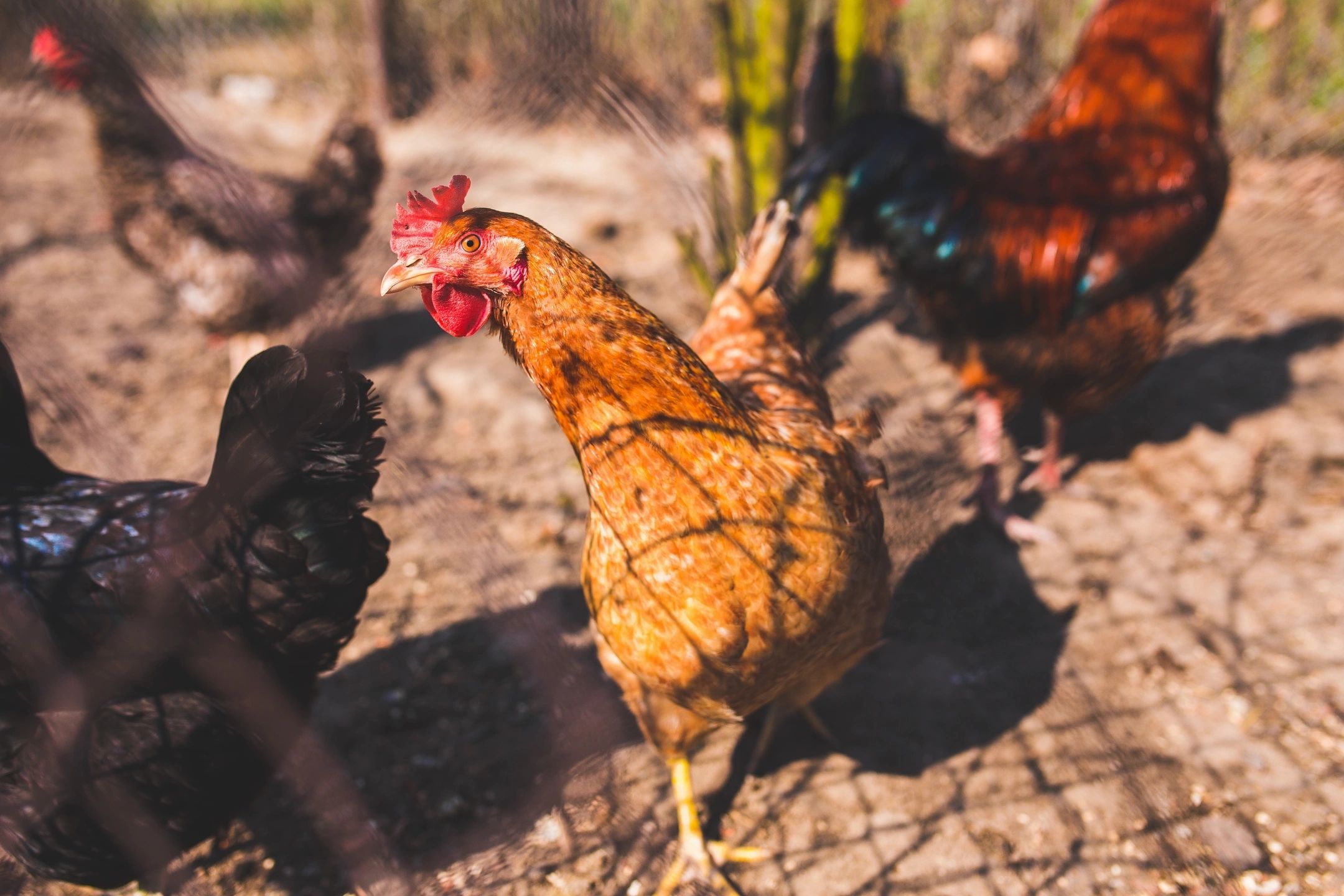
We enjoyed having chickens in the past and will again, but we’ve only had family/pet chickens, so we need to learn much more about keeping chickens. Since we cannot build any sort of ancillary buildings until we’ve built our home and we haven’t even gotten our final building quote, we have time on this one. However, we have to “produce” for two years before the tax savings kick in and want to get the clock started asap; that leads us right back to beekeeping.

A couple things to note: The first is I’m allergic to bee stings. Yep, anaphylactic shock and all that, but I do not plan on being the one to actually tend the hives–I’ll do the processing, selling, bookkeeping and other miscellaneous duties. And while I know a little about selling and bookkeeping, the second point is neither Mike nor I know a thing about actual beekeeping!

Around here we have learned many people simply pay a service and never actually do a thing with the bees. We entertained that idea, but realized, for us, it is only partially about the long-term tax savings (paying a service for two years while we establish our Ag status would actually double our expense right now since our taxes are based on unimproved land!); for us the other part is learning something new and becoming proficient and self-sufficient at it.

Guess what? There is SO MUCH to learn about beekeeping, but I’ve realized early on in my education it’s quite expensive to get started!

I’ve been reading non-stop about beekeeping! My head is swimming with terms like supers, screen, Queen excluder, entrance reducer, bottom and top boards–and these are just some of the parts that make up an actual beehive! Then we get into the types of hives: Langstroth, Top Bar, Warre and Slovenian or AZ. Then where do we want to keep the hives–do we want an apiary (bee yard) or if we go with the AZ hives, do we want a free-standing and moveable stand or to incorporate the hives into a hut/shed like this amazing one from Drebbieville Hives?

I haven’t even begun to dissect the various races of bees we can buy: Italian honey bees, Carniolan, Russian, Caucasian, or the generally available Mixed Stock, aka mutt bees, or the various pieces of equipment we will need to purchase, but we will learn one lesson, one attempt at a time.

We are not above admitting we are complete novices and asking for help! We welcome your guidance and constructive input any time.

The learning curve is pretty big when it comes to beekeeping and there are sure to be many future posts related to our trials and triumphs. The phrase, “God save the queen” suddenly has a new connotation for us!

Where? What? Why? How?

We have been in the throes of laying out our house, barn, outdoor living areas and making some major decisions about the interior house layout. I’ve found myself overwhelmed at times, and even downright stumped once in a while. I feel like my head is a pinball game with the ball bouncing non-stop between where, what, why, and how. I often start with one question, but find I cannot answer it until I’ve addressed another and am bounced back and forth and back and forth. At this rate I’m going to be “high scorer” in this game!

Yesterday we–meaning I, with Mike’s final approval–staked out the entire house, garage and barn. After last week’s feeble attempt at doing this alone with a 25′ tape measure, I broke down and bought a rolling tape measure.

Wow, that thing is great and prevented so many cuss words from being uttered!

As fate has it (or maybe the previous lot owners designed it), there are two trees aligned with each other at opposite sides of the lot. This allowed me to tie a string line and use it as a way point for the front of the house. Anyway…after lots of walking back and forth, sticking flags in the ground, repositioning, and remeasuring, we know where the house and barn will sit.

Suddenly the lot looks much smaller, i.e. manageable.

Nailing down the locations of our primary structures allowed us to step back and reassess where things like a garden, a greenhouse/potting shed, chicken coop and our bee boxes will go, but I’m starting to doubt I’ll ever have the opportunity for mini donkeys because I don’t see a place to locate them. That’s a discussion for another day.

We also decided since the primary reason for buying the lot was the view of the pond and adjoining river, we will move the fire pit and create a little picnic pavilion to take advantage of the view.

You’d think I’m feeling pretty great about all this now, right? Yes, but…

With this step done, I turned back to finalizing interior house details so we can wrap things up with the architect.

The BIG decision I cannot seem to make is regarding the fireplace. For now, I’ve had it taken off the plan, but after spending two hours on Houzz and Pinterest this morning (oh, what a love-hate relationship I have with them!), I think I’ve come to my final decision. Let me tell you why it’s been such an issue.

My style is a combination of things, but pretty heavy on the French country. I’ve always loved both limestone and the idea of a hearth room/fireplace in the kitchen. We found a beautiful double-sided gas fireplace and were going to center it in the opening between the family room and kitchen. Something like this:

Pretty, right? Yes and it makes my heart sing. However, there are pros and cons.

First the pros: It’s gorgeous and unique; it allows for a cozy little seating/dining area; I could create a little cubby with doors and have my own little tv in the kitchen; and letting bread rise in the kitchen would be convenient.

The cons: I’m always hot when working in the kitchen and there is no way to heat only one side of the fireplace; with one side of the family room open to the foyer and the other mostly glass to take advantage of the view, and our distaste of a huge tv over the fireplace, this would mean three focal points (fireplace, tv, and view) and create a furniture placement headache; because of kitchen cabinetry, it wouldn’t be as open as I envisioned and has the potential to cut off guests from one another or create bottlenecks in the doorways; and it does reduce kitchen size.

Stuck on this decision, I turned back to the kitchen layout. It was then I panicked because I’ve chosen a 48″ range with side-by-side ovens and on single all-freezer and all-refrigerator units versus a combo unit, like pictured below. This kitchen layout is absolutely perfect for the way I cook and entertain!

However, when I placed the dimensions of each onto my plan, I froze: there remained no counter space along the appliance wall! How did I not notice this and now what? I stared and stared at the plan in disbelief. I really have my heart set on this Hallman range and do not want to reconfigure everything again!

No matter how I moved things around, I simply couldn’t find a way to incorporate all I want/need. I shot off a quick email to the architect asking for an appointment with the kitchen designer. I then realized the measurement I was putting on paper was not the wall measurement, but the center island! Oh my, I think I’ve reached my saturation point. Going back–with the right measurement–all is well. Now back to the fireplace…

As much as I don’t want to lose the uniqueness of having a double-sided fireplace divider, I know it isn’t what will work best for us. Decision made. We will locate the fireplace at the wall opposite the kitchen, which gives me/guests a clear sight-line to the fireplace and out to the back. We will flank the fireplace with built-ins and place the tv on an extending/swiveling mount. Here are a couple ideas I like:

And my favorite–just look at that gorgeous stone! It’s a double-sided, but would be beautiful as a regular fireplace, too.

I can still create a cozy sitting area in the kitchen between the island and family room, thereby increasing seating capacity without isolation, and I will have more options with furniture layout in the family room. Additionally, I now have the opportunity to unite the foyer and family room by cladding one of the stairwell walls in limestone which will match the limestone of the fireplace. Feeling good about this decision! Now to let the architect know there is another change to the plan. My final change. Maybe.

This home/homestead is full of opportunities, but is also a study in flexibility and concessions. And, even humility as I have to often admit my mistakes and oversights, my limitations and frustrations. However, I wouldn’t have it any other way!

I think, for now, I’m clear-minded on our vision. Check back (or sign up for email alerts) for our next update!

Homesteading…Where To Begin?

For the past several years, every property listing we looked at included a home and one or more barns and outbuildings. I often wondered why an owner would have a relatively large parcel of land, yet everything encroached on the house. Now that we’ve purchased 6 acres, I’m starting to better understand!

We knew when we moved, we wanted land and to be able to raise a garden, perhaps some chickens, maybe bees and my beloved mini-donkeys, but the thoughts never went very far, since we never managed to purchase one of those established homesteads. Now we are starting from square one and it’s a little overwhelming!

Obviously, the first step in creating a homestead from the ground up is to purchase the land. Check.

The second is to consider what limitations the land presents. In our case, we have a large pond in the back, so that is non-farmable area. Because of the adjacent river, we also have to consider floodplain areas, which in turn dictates the location of both the house and the workshop/barn. There are woods at both the front and the rear of the property, and we do not want to dispense with those; although cleaning them up is in the plan.

Now with an idea of where we can locate the house and main accessory building, the next thing to consider is what livestock and/or crops will be maintained. In order to get to that determination, we have to ask and answer two key questions:

  1. Why do we want to raise crops?
  2. What are the local, county and state regulations that may impact us?

For us, the answer to the first question is multi-parted:

A) To get an Agricultural taxation rate (saving up to 50% on our taxes)

B) To enjoy eating food grown on our own land, under controllable conditions (i.e. pesticide free) and reap the health and financial benefits

C) To be immersed in a lifestyle we enjoy

Knowing the why, we can focus on the what, based on personal desires within the boundaries of the answers to the second question.

The answers to the second question are what they are and we cannot change them, so we learn to navigate them as we go. Thus far, we have found we cannot start our workshop/barn because it’s an accessory building and without a home for it to be an accessory to, the County will not issue a permit. As we wait final plans from our builder and engineer, we continue planning without action.

We also cannot create a chicken coop and enclosure yet, because we haven’t gotten the final house and barn layout and do not know where heavy equipment will need to be traversing and/or actual location of our well and septic. While we are anxious to start a garden plot, again we must hold off until things are underway, but that allows us time to clarify what we eventually want to grow.

For now, we visit the land and I’ve turned my focus away from setting up the actual Homestead and to creating a calming woodland garden area for myself–I have a feeling it’s going to be needed throughout the building process.

Mike has been bringing over his plethora of outdoor items, tractor implements, fire pit wood (lord knows we don’t need to as we have enough from the dead wood on our property to last three lifetimes!), and anything else he can relocate right away. He spends his time mowing, clearing away dead wood and planning/setting up firepit, pond, and storage areas. He also claimed a little spot in the woods overlooking the pond for his hammock…I think he needs to do a lot more clearing before I lay in it, but then maybe that’s part of his plan.

We managed to relocate a few trees and bushes, and while a full-fledged garden is out of the picture right now, we will at least plant some tomato plants. I’ve also been investigating a few shade-loving crops to incorporate into my woodland garden–peas, lettuce, Brussel sprouts, garlic and a variety of herbs should do well. The worst part of creating a woodland garden is finding any area that isn’t root-laden, but I’m managing so far.

Each day we get clearer on what we want and where we’d like to locate accessory buildings. Unfortunately, my mini donkeys are still not on the list, but I’ll keep trying. Seriously, if I am going to tend to chickens, why not tend donkeys, too?

Progress is made one step at a time, but dreams are what fuel the progress, so I keep dreaming my way forward. Before long we will have our full-fledged N’stead homestead!

Tina

Officially Soon-to-be-Homesteaders!

We closed on our land this week! It’s been three months since we made the offer and time seemed to drag on forever. However, once we signed the papers and took our first steps onto our land, suddenly it felt as if time dissolved and we were home!

Our emotions were running high as we walked, re-walked, and walked again, the property. Suddenly I thought, “crap, there’s a lot of work to be done!” and started wondering if we may have had a temporary lapse of judgement! Then we settled into our chairs around the little makeshift fire pit and started talking about our plans. Definitely not a lapse of judgement–we are exactly where we both want to be at this time in our lives.

We’re not naive in taking on 6+ acres–we both grew up on acreage and had a ten-acre parcel years ago. We know the work that goes into maintaining the acreage, creating and maintaining a garden, building and maintaining outbuildings, and living a country life of simplicity…an oxymoron if ever there was one! The trade off of all that work? Serenity. Peace. Pride. Joy. Satisfaction. I could go on, but to us the word to surmise it all is contentment. It’s a wonderful feeling that not everyone gets the pleasure of knowing and we feel quite blessed.

Beyond the contentment, there is something else. There is a deep desire that speaks to the dormant pioneering spirit within. While mankind has evolved, we still retain the DNA of our past. I believe we satisfy our hunter-gatherer drive by shopping and perhaps we satisfy the adventuring pioneer spirit by taking a raw piece of land and creating a homestead. Whatever it is, we feel it deep in our souls and cannot wait to get started building anew!

We have already plotted out our driveway path through the woods, the location/orientation of the house and barn, where the kitchen garden and vegetable gardens will be created, and even picked a tree for a future treehouse (for those future grand babies we know our kids will eventually bless us with). Tomorrow we roll up our sleeves, fire up the chainsaws and start bringing our vision to life. The years of suburban living (i.e. weight gain and too much tv watching) are soon to be behind us…in the best sense of the word!

Mike and I are so excited to share our new journey with you and hope you’ll follow along as we progress on our house plans, setting up our homestead, and share our never-ending projects. While we have ideas of our own, we’re always open to advice from those who have gone before, so don’t be shy, let us hear from you!

Tina

Design a site like this with WordPress.com
Get started